The Master and the Fool
In his book Mastery, George Leonard drops the following line that I think is important to understand and incorporate into our modus operandi:
“It’s simple. To be a learner, you’ve got to be willing to be a fool.”
Among todays highlight reels on LinkedIn, Twitter and Instagram, it's sometimes easy to forget how mastery is achieved in the first place. It’s easy to forget that all those people that we see online churning out their best work at lightning speed, were once fools too (and probably still are).
But we are not talking about fools in the sense of idiots here. Leonard explains:
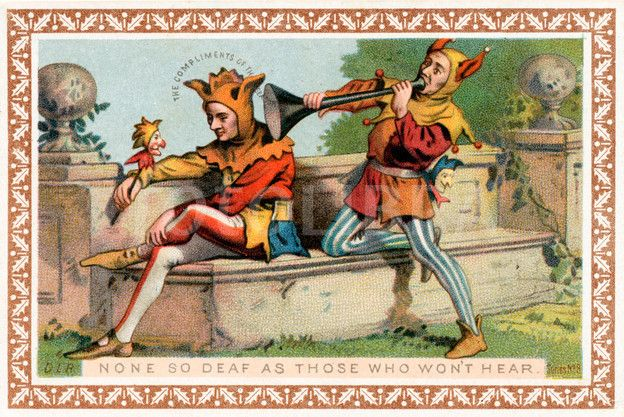
By fool, to be clear, I don’t mean a stupid, unthinking person, but one with the spirit of the medieval fool, the court jester, the carefree fool in the tarot deck who bears the awesome number zero, signifying the fertile soil from which all creation originates, the state of emptiness that allows new things to come to fruition.
How many times have you failed to try something new out of fear of being thought silly? How often have you censored your spontaneity out of fear of being thought childish?
The fool precedes the master.
So in order to become a master at anything, we need to first check in with ourselves and make sure that we allow ourselves to be the metaphorical carefree fool who tries stuff out and tinkers, even if something might seem silly at first.
Leonard brings up an interesting point:
Psychologist Abraham Maslow discovered a childlike quality (he called it a “second naivete”) in people who have met an unusually high degree of their potential. Ashleigh Montagu used the term neotany (from neonate, meaning newborn) to describe geniuses such as Mozart and Einstein. What we frown at as foolish in our friends, or ourselves, we’re likely to smile at as merely eccentric in a world-renowned genius, never stopping to think that the freedom to be foolish might well be one of the keys to the genius’s success or even a necessity to it.
In that sense, the master still is and always has been a fool.
So let's play, let's try new things this year, even if we think they're silly. Because every worthwhile endeavor starts with that foolish first step.