The Benefits of Constraints
Constraints are frustrating. Why should we constrain ourselves?
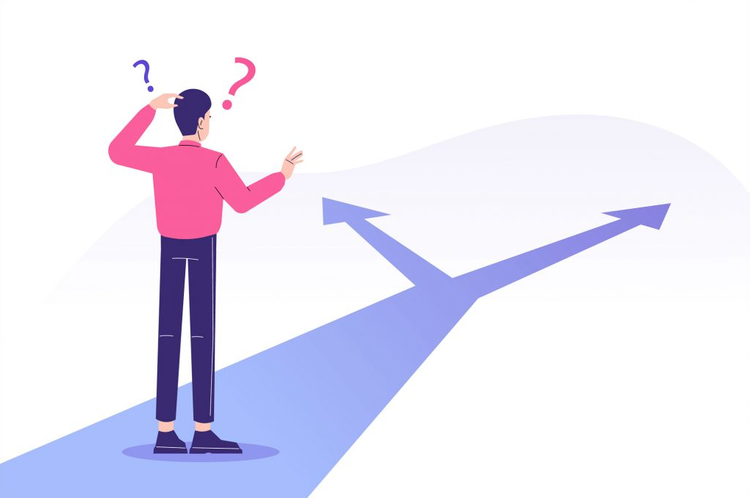
For many of us, freedom is the highest good.
We romanticize the ideal of ultimate freedom, infinite choice and being able to do anything at any time.
I know I have for a long time. But especially since we have started our company, I am starting to realize that this ultimate freedom can actually be detrimental to achieving anything meaningful. Because all of a sudden anything seems possible. We can work when we want, on what we want, and with whom we want. And on top of that, the more we do the more opportunities we get.
But as we all know, Barry Schwartz's Paradox of Choice says that as we increase the number of things to choose from, we increase the anxiety levels of whomever it is who has to choose.
In this case, ourselves.
The human mind is not suited to continuously decide among such a plethora of options.
Every shiny new opportunity that comes our way is a potential detractor from what we want, ESPECIALLY if we have not defined what we want.
And that's where self-imposed constraints come in.
Why and where to set constraints
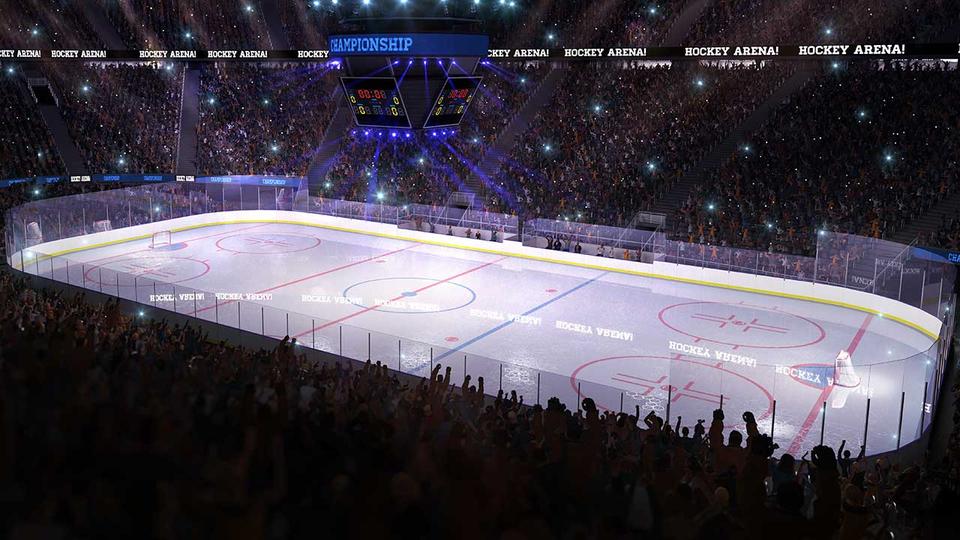
Let's take the ice hockey field in the picture above. Without the boundaries there is no field, and ultimately no game of hockey. The boundaries define the rules of the game.
But it's important to note that it's all arbitrary. We make up the rules. There is nobody out there (who has the right) to tell us what our boundaries are. HOWEVER, if we don't define the game that we are playing and the rules of that game, somebody else will surely do it for us.
Not only do constraints reduce the cognitive load and anxiety of choosing, but they are also forcing us to make conscious decisions on what it actually is that we want. Constraints let us choose the "games" we want to play.
We can make constraints or set boundaries on all kinds of things:
- What to eat - "I don't eat animal products"
- What projects to work on - "I only work with non-VC funded companies"
- Whom to hang out with - "I only spend time with people around whom I like myself"
- Which media to consume - "I don't watch the news"
- What kind of content to produce - "I only write newsletters"
By setting those constraints, we automatically discard all future decisions (or at least make them a lot easier!) when it comes to those areas in question. Meaning, we don’t need to decide over and over who we are, what is important to us and what games we want to play.
And to augment the list above: In a recent conversation, Seth Godin laid out what he thinks are worthwhile boundaries or constraints we can set for ourselves before we start a new project:
- What are the resources you are willing to put into this? - money, time, emotional risk tolerance
- Who do you want your customer, user or beneficiary to be? - if you hate who you serve, you'll hate your project or business
- What do you want to get out of this? (side income, big cash out at the end, doing good in the world, just for your own enjoyment...)
These constraints are not at all about our ideas, projects or whatever. The constraints come first and then we can determine if and how our idea or an upcoming opportunity fits in there. If we do the reverse, the constraints are defined by the idea and not by what we actually want and by how we choose to live our lives.
Seth makes a good example regarding freelancers:
If you’re really a freelancer, you have no employees. You only sell your X number of hours a week. That’s all you get. But if at the same time you want to make $10 million a year, you’re going to be unhappy because you can’t really be a sole practitioning freelancer who’s making $10 million a year. So which is it? Let’s get really clear about why you’re doing this, who it’s for and what it’s for.
So what I have come to grip with, is that while constraints limit our overall pool of options, they actually increase our freedom within the few options that we do consciously choose.
And just as the edges of a puzzle lets us see the whole picture, self-imposed boundaries and constraints allow us to explore the edges of the map we are walking on without the risk of getting lost.