Four Principles To Get The Most Out Of Your Reading
Following are a four principles that made my reading experience much more enjoyable and rewarding over the years.
1. You are allowed to quit books.
Gosh this was a big one for me. I always had the nagging feeling that when I started a book, I needed to finish it at all cost.
There was a form of guilt involved. But obviously this is nonsense.
Once I realized I can quit bad books, everything changed for me. Putting down a bad book makes space for a new, potentially great book.
Start books quickly but give them up easily. Skim a lot of books. Read a few.
2. There are different depths of reading.
Not everything needs to be read with the same intensity. Some books only deserve a skim, while others deserve your complete attention. How much effort you put in relates to what you’re reading and why you’re reading it.
I won't go into too much detail here, but basically there are four levels of reading.
- Reading to Entertain — The level of reading taught in our elementary schools.
- Reading to Inform — A superficial read. You skim, dive in and out, and get a feel for the book and get the gist of things.
- Reading to Understand— The real workhorse of reading. This is a thorough reading where you chew on things and digest them.
- Reading to Master — If you just read one book on a topic odds are you have a lot of blind spots in your knowledge. Synoptical reading is reading a variety of books and articles on the same topic, finding and evaluating the contradictions, and forming an opinion.
3. Choose books that stood the test of time
If you’re like most people, you’ll naturally be interested in new books. This is understandable. New books are full of sex appeal, marketing, and empty promises. While a few new books might prove to be valuable, the vast majority of them will be forgotten in months.
How do we sort the books worth reading from the ones that should be skimmed or ignored all together? Time.
I think this quote from Farnam Street puts it perfectly:
Reading time is limited, it should be directed at knowledge that lasts. The opportunity cost of reading something new is re-reading the best book you’ve ever read.
Read old books. Read the best ones twice.
While this approach seems less sexy than reading the latest best-seller that everyone is talking about, most of those books will fail the test of time.
4. Take better notes
Since I started taking notes and save them in a central place, I remember and actually apply so much more of what I read.
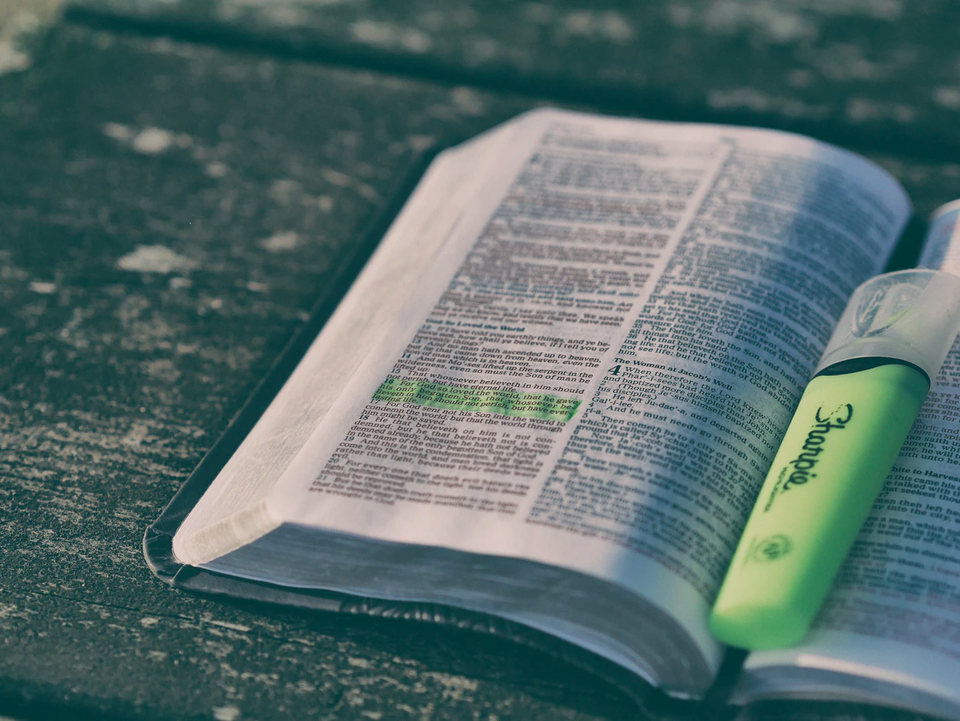
- Highlight your favorite passages (Kindle or with a marker in physical books) that are surprising, useful, easily lost or simply inspire you.
- At the end of each chapter write a few bullet point summarizing the main point the author made. Use your own words.
- After you have finished a book, lay it aside for a couple of weeks.
- Go back over your highlights and chapter summaries again. Reading those will feel as if you re-read the whole book again.
- Finally, after a second read-through if you have some major insights that you would like to remember forever, summarize them again and put them into what I call an "Idea Library".
That's it. I hope some of those principles speak to you as well and help you make your reading experience even more enjoyable 🤓